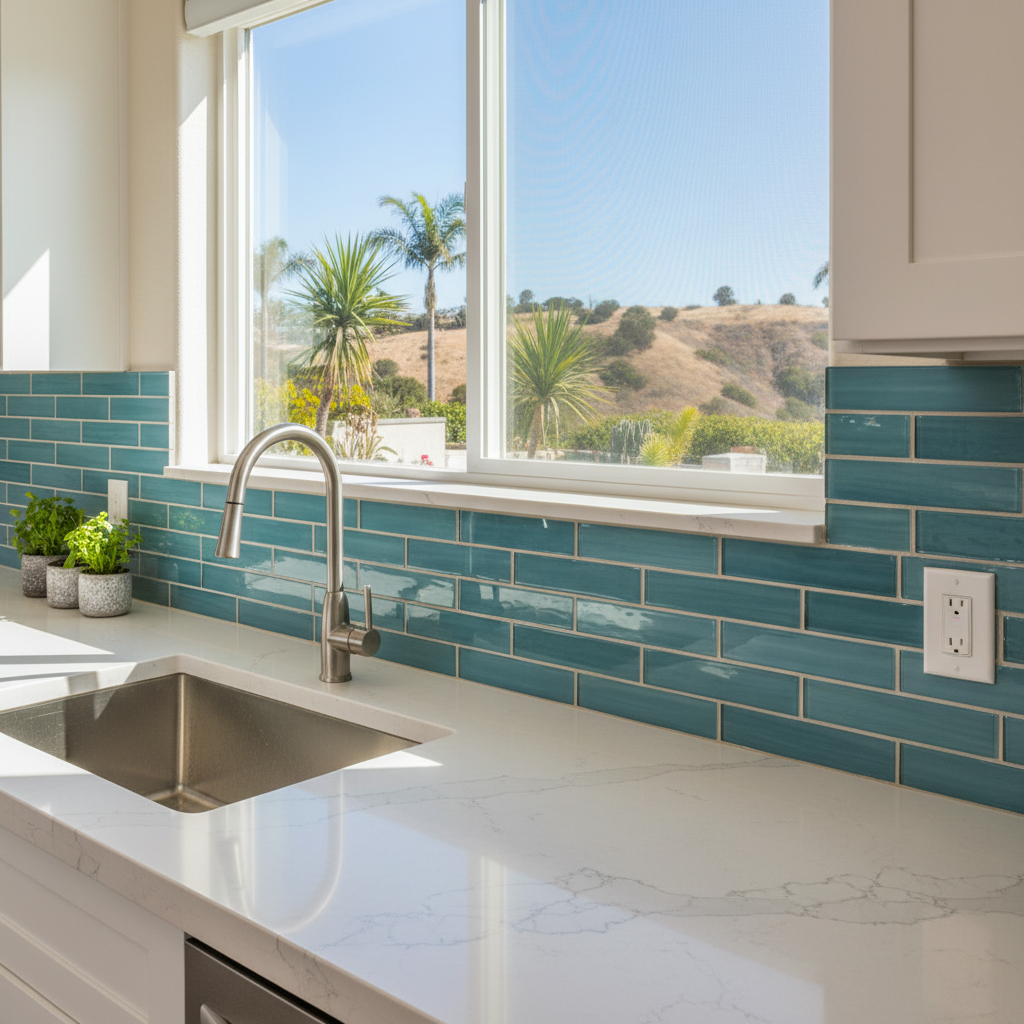
A new backsplash can really pull your kitchen together, adding a splash of color, some cool texture, or just a nice, clean look. I've personally put in countless backsplashes for folks all over Oceanside, from those charming older homes near the pier to the newer places up in San Luis Rey. You want that fresh look to stick around, right? It's more than just looking good; a well-kept backsplash actually protects your walls from splashes and spills. That's super important, especially with our humid coastal weather.
Making Your Backsplash Last: It All Starts with the Install
Honestly, how long your backsplash holds up often comes down to how it was put in originally. That's where a solid contractor, like us at Apex Kitchen Remodeler, really makes a difference. We make sure the wall is prepped correctly, the adhesive can handle our climate – especially that humidity we get here by the ocean – and that the grout gets sealed just right. If you've got an older backsplash, or if you're thinking about getting a new one, here’s what you should know to keep it looking great for years.
- Sealing is Absolutely Crucial: For most natural stone or porous tile backsplashes, sealing the grout, and sometimes the tile itself, isn't optional. This creates a barrier against moisture, stains, and even mildew. Here in Oceanside, with our marine layer and sometimes even a little salt spray, moisture is a constant battle. I usually tell people to re-seal their grout every 1-3 years. It really depends on how much cooking you do and the type of grout you have. You can grab a decent quality grout sealer at most hardware stores. It’s usually a spray-on or brush-on thing; just follow the directions on the bottle.
- Pick the Right Materials: If you're planning a new backsplash, really think about what you're installing. Ceramic and porcelain are generally pretty easy to take care of and work great in those high-splash zones. Natural stone like marble or travertine looks gorgeous, but it needs more consistent sealing and gentle cleaners. Glass tiles are a breeze to wipe down, but they can show streaks if you don't clean them properly.
- Ventilation Matters: This might sound a little strange for a backsplash, but good kitchen ventilation actually cuts down on overall humidity and grease buildup. That means less grime settling on your backsplash and fewer chances for mold or mildew to start growing, which is a genuine concern in our coastal climate.
Everyday Upkeep: Keep it Clean, Keep it Lasting
This isn't rocket science, but consistent care really does make a huge difference. Don't let spills sit, especially acidic ones like tomato sauce or lemon juice – they can etch natural stone or stain your grout.
- Daily Wipes: After you're done cooking, a quick wipe-down with a damp cloth and a little mild dish soap is usually all it takes. For ceramic or porcelain, a general all-purpose cleaner works fine.
- Gentle Cleaners for Stone: If you have natural stone, steer clear of harsh chemicals, abrasive scrubbers, or anything acidic. These can strip the sealer or actually damage the stone itself. Use pH-neutral cleaners specifically made for natural stone.
- Grout Cleaning: For those tougher grout stains, a dedicated grout cleaner and a soft brush can work wonders. Again, double-check if it's safe for your specific tile type. And please, don't attack it with a wire brush; you'll just scratch everything up.
- Avoid Too Much Water: When you're cleaning, don't drench your backsplash. Too much water can seep into unsealed grout lines or even get behind the tiles, leading to bigger headaches later on. A damp cloth is usually plenty.
Warning Signs: Don't Brush These Off
Your backsplash usually tells you when something's not quite right. Catching these issues early can save you a lot of trouble and money down the road.
- Cracked or Missing Grout: This is a big one, folks. Grout protects your tile edges and keeps moisture from getting behind them. If you see cracks, crumbling, or sections of grout missing, that's an open invitation for water damage.
- Loose or Popping Tiles: If a tile feels wobbly when you press on it, or if you can see it lifting away from the wall, that means the adhesive has failed. This can happen because of moisture, a bad installation, or even just your house settling.
- Discoloration or Stains: Beyond typical food splatters, if you notice dark, stubborn discoloration on grout or around the tile edges, it might be mold or mildew. This often points to moisture getting in somewhere.
- Efflorescence: This is that white, powdery residue you sometimes see on grout or natural stone. It's mineral salts left behind when water evaporates from inside the material. It's a clear sign that water is getting in there somewhere.
- Musty Odors: If you keep smelling a persistent musty odor around your backsplash, especially after cooking or cleaning, it's a strong indicator of hidden moisture and potential mold growth.
When to Call a Pro: Some Things Aren't DIY
Look, I'm all for homeowners tackling projects, but some things are just better left to the experts. If you spot any of those warning signs, especially if they're widespread, it's definitely time to pick up the phone.
- Extensive Grout Damage: If large sections of your grout are cracked, crumbling, or gone, you probably need a full re-grout. This is a much bigger job than just patching a small area.
- Multiple Loose or Damaged Tiles: Replacing one or two tiles can be a DIY job if you're handy, but if several are loose, it suggests a larger underlying problem with the adhesive or the wall itself.
- Suspected Water Damage or Mold: If you think water has gotten behind your backsplash, or if you see significant mold growth, you need a professional. They can figure out how bad the damage is, fix where the moisture is coming from, and make sure everything is properly cleaned up. You really don't want mold spreading in your walls.
- Persistent Efflorescence: If you're constantly fighting that white powdery stuff, it means there's a consistent moisture problem that needs to be found and fixed. A professional can help pinpoint the source.
- Major Backsplash Overhaul: If you're ready for a completely fresh look, or if your current backsplash is just beyond repair, give us a call at Apex Kitchen Remodeler. We've got the experience to handle everything from the design to a perfect installation, making sure your new backsplash is built to last in our Oceanside homes.
Your backsplash is an investment in both your kitchen's beauty and how well it works. A little regular care goes a long way, and knowing when to call for help ensures it stays looking great for years to come.